
To understand why I stayed, and why I now do this work, I will start there.
The family I thought I’d found
Like many of us, I had a difficult, traumatic childhood. So, at 21, when I met what I thought was my Prince Charming, complete with a ready-made, close-knit family, I was smitten.
I’d never heard of narcissism or narcissistic behaviours. I had no idea I was moving from one controlling environment into another. And without a barometer for what a healthy relationship looks like, I thought much of what happened in our marriage had to be normal.
After all, every couple has their ups and downs, don’t they? Isn’t that what everyone says?
There was emotional abuse, financial abuse, gaslighting, stonewalling, and put-downs. There were also plenty of infidelities – although, admittedly, I didn’t discover those until the end.
And, of course, whenever he thought he might lose me, there was the love bombing. And it worked. I’d get a glimpse of the kind, considerate, selfless partner I longed for and would think, “There he is, perhaps this time it will last.”
So, I stayed.
I was also the main breadwinner. In my head, we were a team. I didn’t mind carrying the responsibility because, surely, eventually, he would take his turn, and I could carry a little less? I asked him to get help for himself. He refused. According to him, I was the insane one, the ridiculous one, the demanding one. Still, I hoped he would change.
What finally changed was me
When his father died, things unravelled exponentially. Without my knowledge or consent, he took all our savings for expensive cosmetic surgery.
Simultaneously, I decided it was time for him to take the financial reins. We had a child with ASD who needed my attention, so I decided to trust him and moved to part-time work. The children and I now depended on his visa and medical cover. Little did I know that he would see this as finally having the upper hand to behave as he pleased.
For the next three summers, the children and I stayed in Dubai because, according to him, we couldn’t afford flights. Meanwhile – as I learnt later – he was using the flight allowance to travel the world and play. He became less secretive. More complacent. He seemed certain our financial dependence would keep us there. We’d been together for 23 years.
Then I woke up.
I began to understand what respectful boundaries looked like. What was acceptable and loving. And what I was teaching my children about relationships by staying in this one.
It wasn’t what I wanted them to learn.
I found the courage to respect myself and end this toxic union.
“But hadn’t you trained in psychology?” I can almost hear you asking.
I’d started my training only three years earlier. That was probably part of the wake-up call. I launched my services after he’d gone. He’d always opposed me changing careers because he wanted the security of my pay cheque at the end of the month.
My children were seven and ten. With no visa, no medical and a part-time salary that wouldn’t cover the bills, we were starting again.
Leaving was one thing. Finding my way through divorce was another.
My training as a therapeutic coach helped me understand emotions, relationships and healthy boundaries. It didn’t prepare me for everything that came next.
How do you separate legally and amicably? How do you make sense of the law, work out the finances and deal with all the practical decisions while your life is being turned upside down?
Divorce can feel a bit like being put in a tumble dryer. You can come out dry, clean and smelling lovely, but you definitely get tossed around on the way. I had no one to guide me. I remember going to five different lawyers and being told five different things. I came out more confused than when I walked in.
I also remember feeling pushed towards signing contracts I wasn’t ready to sign. Thankfully, I had the wherewithal to hold back from routes that weren’t right for me. But when you’re emotionally overwhelmed, that clarity isn’t always easy to find. I learnt the hard way that some people are willing to take advantage of that vulnerability.
There was also the fear surrounding divorce in Dubai at the time. People barely discussed it. Plenty fled to their home country at the prospect of separation because they were frightened of what might happen here. Thankfully, much has changed, but the confusion, the conflicting advice and the fear of making the wrong decision are still there for many embarking on this journey.
I never planned this path, not for me and not for anyone else, but having travelled it, I couldn’t sit back and watch others have no support. That’s how I found myself becoming this “Divorce Doula”, as people often call me now.
The support I wished I’d had
One of the things people often tell me is, “I don’t take divorce lightly. It was never on my radar when I got married.” I understand. No one in my family had ever divorced, and I grew up being told that divorce brings shame to everyone.
Having now helped hundreds of couples of different nationalities, faiths, beliefs and cultures, I can honestly say I’ve never met anyone who didn’t take their marriage seriously. It isn’t the divorce paper that breaks a marriage. By the time people reach that stage, most have tried everything they can think of to put it back together. What they need then is help making sense of what comes next.
My aim is to demyth the urban myths, the false stories and the scandals that often circle the topic of divorce and to take away the fear, so that we can work on a clear, honest roadmap that fits your circumstances. From there, you can make considered decisions about your future and your children’s, rather than decisions driven by panic.
This means bringing the emotional and practical support together. So often, you find one or the other, when both are needed. And so, my clients tell me, this integrative approach is what they value the most.
It includes mediating between couples to reach an amicable agreement; helping parents work out how to parent in this new situation; and giving people the tools to leave coercive, controlling or abusive relationships, and to deal with what can happen afterwards. Post-divorce abuse is a very real thing. A piece of paper saying you’re divorced doesn’t automatically stop someone who wants to keep abusing you. You still need ways to protect yourself and take back control.
My own experience is part of why I understand. But it isn’t the only experience I draw on.
Over the past 17 years, I’ve helped hundreds of couples through the emotional, practical and judicial sides of divorce, whether their case was handled here or in their home country.
Along the way, I’ve met some wonderful, trustworthy lawyers and learnt a great deal about the different processes. I’m not a lawyer myself, but my work has brought me into that world. I’m regularly invited to family law conferences, here and abroad, both to attend and to speak at, which helps me keep learning as things change.
People who’ve been through their own divorce often want to tell you, “This is how it is.” They mean well, but divorces are all different. I think you need to have lived through perhaps 50 of them alongside other people before you can even begin to say that.
An excellent lawyer, with whom I’ve now worked for 17 years, shared these words about our work together:
“I have known and worked with Anne in Dubai for the last 15 years. Anne has looked after my clients with integrity and insight and has offered me guidance…. Anne must be the first port of call for anyone needing solid back up as they experience or face the prospect of marriage breakdown in Dubai.” Michael Rowlands, Family Law Solicitor
What people have said about working with me
“I leave realizing that I am not the only one alone in Dubai facing these issues.”
“I think it’s absolutely brilliant what Anne has created for all the people like myself. Not only does she help you get the right legal help but also provides moral support which goes a long way in increasing your confidence. I am so glad that I reached out to Anne from the beginning of my journey till now. I encourage all woman in similar situations to seek help from Anne as it’s not always about being a survivor - its ok to allow others to help.”
What life looks like now
Going through separation or divorce as an expat can be frightening. You’re in a country that isn’t your own, often far from the people you would normally turn to for support.
I often hear, “But I don’t have any family here to help me. I don’t have anyone supporting me.”
To tell you the truth, I didn’t have family helping me financially, emotionally or practically, either. I had two beautiful children who were my family. But at seven and ten, it was my job to support them, not the other way around.
I’m sharing that because when I say I understand how frightening it is, I mean it. I know what it feels like to carry the responsibility without the family support people assume you must have. But I also knew that this wouldn’t last forever. I was working towards a brighter future that would serve me, my children and the community around us.
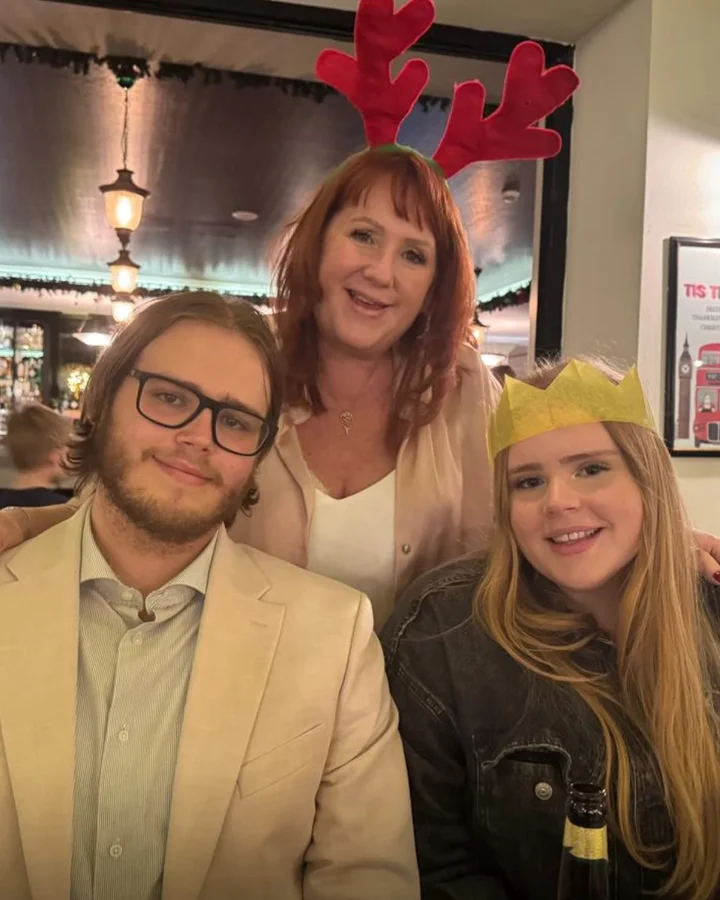
Now, 17 years later, those two children are in their twenties: happy, healthy, successful neurodivergent young adults. I paid for my son to go through university in England, and I’m helping my daughter do the same now. Our home is peaceful, stress-free and joyful.
Sharing my own story might not only help you recognise parts of your own life and realise it isn’t you, but also give some hope that a happy, healthy life post-divorce, with work, patience and belief, is totally achievable.
I care about people having honest, authentic and helpful guidance when trying to make decisions that affect their whole life moving forwards. I remember having no idea where to turn or whom to trust. I don’t want you to feel as lost as I did.
So yes, I know how scary it is to find that the people you’ve been told “should” be there aren’t. But you have the strength in you to do this; we just help you find it. And along the way, you will find the right people who cheer you on.
Much love,
Anne
PS: Just in case you’re thinking it – no, I’m not “pro-divorce”. My goal isn’t to push everyone down that path. In fact, I’m never happier than when I’m working with couples to find their way back to a happy, healthy relationship. But I’m also a realist, so I’m not here to judge. I’m here to be “pro-you”, helping you navigate whatever situation you find yourself in.
PPS: A small footnote about being paid – yes, I said I’m not in it for the money. And yes, I said I’m thriving. Neither means I’ve become a millionaire who can work for free. I still have bills to pay, a roof to keep over our heads and children to help through university and beyond. If I can’t meet those obligations, I would have to shut this down and find another job, and so this support would disappear. Plus being paid for the work we do is a healthy principle for all of us, I believe.